





Beyond the Skyscrapers: The Real Loser in the Iran Crisis
As the guns fall briefly silent across the Middle East, one truth stares the Gulf Cooperation Council (GCC) nations squarely in the face: they are the immediate losers of this Iran war phase.



As the guns fall briefly silent across the Middle East, one truth stares the Gulf Cooperation Council (GCC) nations squarely in the face: they are the immediate losers of this Iran war phase. Not through battlefield defeat or territorial conquest, but through the merciless exposure of vulnerabilities long concealed beneath oil wealth, gleaming skyscrapers, and carefully cultivated global partnerships. The big balloon of wealth has been punctured – and what's leaking out is hunger.
For decades, the Gulf projected unshakable strength. Sovereign wealth funds topping $3 trillion. Strategic friendships with America, China, Russia. Energy dominance controlling 40% of global oil trade. Yet this crisis ripped away the carefully constructed veneer, revealing prosperity built on three fragile pillars: external security guarantees, open global trade routes, and imported food sustaining 90% of daily caloric needs for 55 million residents.
The Strait of Hormuz threat alone – without requiring an actual blockade – proved devastating. Oil prices spiked to $115/barrel. Dubai's Jebel Ali port, handling $200 billion in annual re-exports and 15 million TEUs, ground to a halt. Logistics costs surged 500%. Supermarket shelves emptied across Riyadh, Doha, and Manama as wheat imports stalled (Saudi Arabia sources 80% externally) and desalination plants supplying 90% of Gulf drinking water teetered on blackout edges. Gold-plated shopping malls stood empty while citizens queued for bread – the ultimate deflation of Gulf invincibility. Had fighting continued for few more days, bread riots and water rationing loomed. The system held – barely – exposing safety margins far thinner than advertised.
GCC diplomacy lies exposed in equally uncomfortable clarity. Massive investments with Russia and China – Saudi's $30 billion into Rosneft energy projects, UAE's $20 billion Belt and Road deals, Qatar's $10 billion LNG contracts – yielded nothing but hopelessness. Beijing and Moscow stood firmly aligned with Tehran, vetoing UNSC sanctions and supplying drones/oil bypass routes while Gulf partners burned. Decades of billion-dollar regional investments also failed: Saudi's $450 billion into Qatar's World Cup, UAE's $100 billion Egypt aid packages, Kuwaiti mediation funding. No Egyptian jets, no Turkish F-16s despite arms deals, no Pakistani ships despite $10 billion remittances. Gulf money flowed in peacetime; "friends" vanished in crisis.
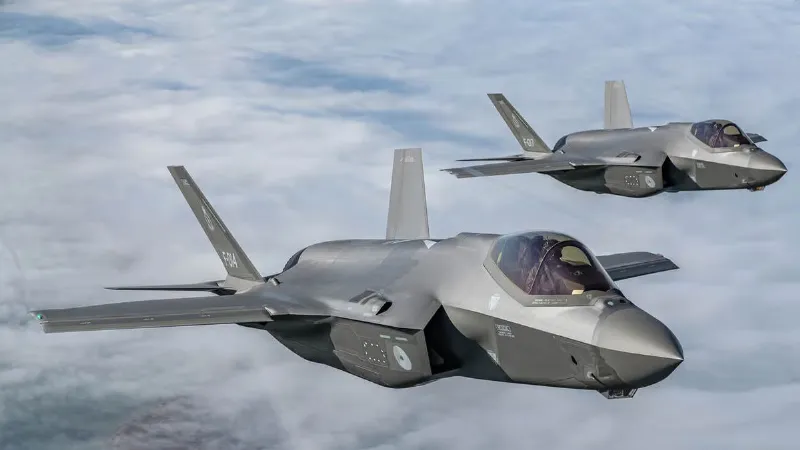
Defence spending offered no better comfort. GCC nations allocate over $100 billion annually to advanced arsenals – F-35 stealth fighters, Patriot missile grids, THAAD systems. Yet UAE aluminium plants suffered $310 million in damages, Bahrain's financial district required mass evacuation, Kuwait's international airport endured direct hits. American protection proved essential. Now 50,000 US troops anchor permanent basing arrangements. Saudi Crown Prince Mohammed bin Salman and UAE President Mohamed bin Zayed negotiate not as equals, but as clients seeking F-35 approvals, intelligence sharing, and forward operating locations. Strategic autonomy evaporated overnight.
Pakistan partnerships disappointed most painfully. Decades of informal mutual defense understandings, joint military training, high-level strategic dialogues – all tested and found wanting. No Pakistani air patrols over vulnerable Gulf airspace. No surface action groups steaming toward Hormuz. No expeditionary forces forward deployed. The UAE's measured diplomatic response – "we will keep Pakistan's stance in mind" – carries volumes of quiet recalibration.
Diplomatically, GCC centrality dissolved completely. While Aramco slashed production by 2 million barrels daily and regional stock exchanges suspended trading (erasing $1.2 trillion in market capitalization), China and Russia positioned as "de-escalation voices." Pakistan pivoted from potential military backer to neutral mediator. Iran masterfully converted missile barrages into strategic leverage – Hormuz "navigation tax" threats promising $50-100 billion annual revenue, preferential passage arrangements with Beijing, toll-collection partnerships with Oman.
GCC losses compound across multiple dimensions:
- Illusion of control: Regional stability proved more dependence than sovereignty
- Security reality: $15 billion US arms packages buy protection, not independence
- Supply chain fragility: Wealth's big balloon punctured to hunger – food riots one blockade away
- Diplomatic demotion: From agenda-setters to crisis responders
- Alliance stress test: Pakistan's rhetoric failed action verification
- Regional betrayal: Billions invested yielded zero crisis support
- China-Russia disillusionment: Strategic deals became hopeless leverage
The Gulf's $400 billion reserves provide cushioning, world-class infrastructure endures, global connectivity persists. Financial power remains formidable. But when supermarket queues replace supercar showrooms, the wealth balloon visibly deflates. GCC systems thrive in conditions of perfect stability; Hormuz ripples nearly capsized the entire architecture.
Iran emerges with maritime extortion capabilities. America secures permanent Gulf vassalage. Israel carves strategic Lebanon buffers. The GCC survives intact but profoundly educated: diversify security arrangements, harden food supply chains, cultivate alliances proven by action rather than dollars. The next crisis will test whether these lessons translate into structural change – or whether prosperity's fragility remains the region's defining vulnerability
Mohd Arif Khan, Expert Middle East affairs
As the guns fall briefly silent across the Middle East, one truth stares the Gulf Cooperation Council (GCC) nations squarely in the face: they are the immediate losers of this Iran war phase. Not through battlefield defeat or territorial conquest, but through the merciless exposure of vulnerabilities long concealed beneath oil wealth, gleaming skyscrapers, and carefully cultivated global partnerships. The big balloon of wealth has been punctured – and what's leaking out is hunger.
For decades, the Gulf projected unshakable strength. Sovereign wealth funds topping $3 trillion. Strategic friendships with America, China, Russia. Energy dominance controlling 40% of global oil trade. Yet this crisis ripped away the carefully constructed veneer, revealing prosperity built on three fragile pillars: external security guarantees, open global trade routes, and imported food sustaining 90% of daily caloric needs for 55 million residents.
The Strait of Hormuz threat alone – without requiring an actual blockade – proved devastating. Oil prices spiked to $115/barrel. Dubai's Jebel Ali port, handling $200 billion in annual re-exports and 15 million TEUs, ground to a halt. Logistics costs surged 500%. Supermarket shelves emptied across Riyadh, Doha, and Manama as wheat imports stalled (Saudi Arabia sources 80% externally) and desalination plants supplying 90% of Gulf drinking water teetered on blackout edges. Gold-plated shopping malls stood empty while citizens queued for bread – the ultimate deflation of Gulf invincibility. Had fighting continued for few more days, bread riots and water rationing loomed. The system held – barely – exposing safety margins far thinner than advertised.
GCC diplomacy lies exposed in equally uncomfortable clarity. Massive investments with Russia and China – Saudi's $30 billion into Rosneft energy projects, UAE's $20 billion Belt and Road deals, Qatar's $10 billion LNG contracts – yielded nothing but hopelessness. Beijing and Moscow stood firmly aligned with Tehran, vetoing UNSC sanctions and supplying drones/oil bypass routes while Gulf partners burned. Decades of billion-dollar regional investments also failed: Saudi's $450 billion into Qatar's World Cup, UAE's $100 billion Egypt aid packages, Kuwaiti mediation funding. No Egyptian jets, no Turkish F-16s despite arms deals, no Pakistani ships despite $10 billion remittances. Gulf money flowed in peacetime; "friends" vanished in crisis.
Defence spending offered no better comfort. GCC nations allocate over $100 billion annually to advanced arsenals – F-35 stealth fighters, Patriot missile grids, THAAD systems. Yet UAE aluminium plants suffered $310 million in damages, Bahrain's financial district required mass evacuation, Kuwait's international airport endured direct hits. American protection proved essential. Now 50,000 US troops anchor permanent basing arrangements. Saudi Crown Prince Mohammed bin Salman and UAE President Mohamed bin Zayed negotiate not as equals, but as clients seeking F-35 approvals, intelligence sharing, and forward operating locations. Strategic autonomy evaporated overnight.
Pakistan partnerships disappointed most painfully. Decades of informal mutual defense understandings, joint military training, high-level strategic dialogues – all tested and found wanting. No Pakistani air patrols over vulnerable Gulf airspace. No surface action groups steaming toward Hormuz. No expeditionary forces forward deployed. The UAE's measured diplomatic response – "we will keep Pakistan's stance in mind" – carries volumes of quiet recalibration.
Diplomatically, GCC centrality dissolved completely. While Aramco slashed production by 2 million barrels daily and regional stock exchanges suspended trading (erasing $1.2 trillion in market capitalization), China and Russia positioned as "de-escalation voices." Pakistan pivoted from potential military backer to neutral mediator. Iran masterfully converted missile barrages into strategic leverage – Hormuz "navigation tax" threats promising $50-100 billion annual revenue, preferential passage arrangements with Beijing, toll-collection partnerships with Oman.
GCC losses compound across multiple dimensions:
- Illusion of control: Regional stability proved more dependence than sovereignty
- Security reality: $15 billion US arms packages buy protection, not independence
- Supply chain fragility: Wealth's big balloon punctured to hunger – food riots one blockade away
- Diplomatic demotion: From agenda-setters to crisis responders
- Alliance stress test: Pakistan's rhetoric failed action verification
- Regional betrayal: Billions invested yielded zero crisis support
- China-Russia disillusionment: Strategic deals became hopeless leverage
The Gulf's $400 billion reserves provide cushioning, world-class infrastructure endures, global connectivity persists. Financial power remains formidable. But when supermarket queues replace supercar showrooms, the wealth balloon visibly deflates. GCC systems thrive in conditions of perfect stability; Hormuz ripples nearly capsized the entire architecture.
Iran emerges with maritime extortion capabilities. America secures permanent Gulf vassalage. Israel carves strategic Lebanon buffers. The GCC survives intact but profoundly educated: diversify security arrangements, harden food supply chains, cultivate alliances proven by action rather than dollars. The next crisis will test whether these lessons translate into structural change – or whether prosperity's fragility remains the region's defining vulnerability
Mohd Arif Khan, Expert Middle East affairs